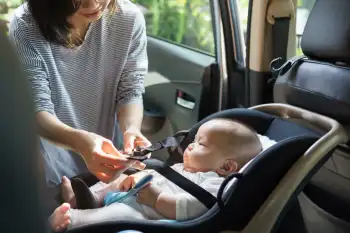
Bringing a newborn home is one of the most meaningful moments in a parent’s life, and one of the most nerve-wracking. That first car ride with a baby in the backseat can feel like a lot of pressure, especially if you’ve never thought much about infant car safety before.
This guide walks you through what to do before you leave the driveway, how to handle the road itself, and what to consider as your family grows.
Before You Drive with a Newborn
A little planning before you pull out of the garage can help each trip feel calmer and safer. Here’s what to sort out ahead of time:
- Timing matters: Try to schedule drives around your newborn’s sleep windows when possible. A sleeping baby is a calm baby, and a calm baby means fewer distractions behind the wheel.
- Pack what you need before you need it: Diapers, wipes, an extra onesie, a pacifier, and a burp cloth should all be within reach of a passenger, not the driver. Never reach into the back seat while the vehicle is moving.
- Check your route: Know where you’re going and how long it will take. For longer trips, identify rest stops in advance. Avoid the temptation to rely on last-minute navigation adjustments while driving. Our distracted driving data shows that adjusting the GPS while driving is one of the most commonly reported distractions among U.S. drivers.
- Give yourself extra time: Rushing with a newborn in the car increases the temptation to speed or cut corners. Build buffer time into every trip so you never feel pressured to hurry.
Safe Driving Tips with a Baby in the Car
Learning how to drive with a newborn safely starts with the right car seat, but your driving habits matter, too. Here’s what to consider:
- Accelerate gently and brake smoothly: Sudden jolts are startling for a baby and harder on everyone in the vehicle.
- Leave extra following distance: More space means more time to react.
- No aggressive driving: Speeding, weaving, or hard braking increases risk for everyone. Review common causes of car accidents to understand what behaviors to avoid.
- Keep your phone out of reach: Distracted driving is dangerous under any circumstances, especially with a newborn in the car.
- Pull over safely if your baby needs attention: Don’t reach into the back seat while driving. Find a safe spot to park, turn on your hazard lights, and then attend to your baby.
Planning Longer Drives with an Infant
Road trips with a newborn are possible. They just require more structure.
Extended time in a car seat can lead to restricted airflow and poor circulation in very young infants, which is why regular breaks are important regardless of whether your baby is sleeping.
Before a longer drive, plan the following:
- Feeding schedule: Know when your baby typically needs to eat and build stops around those windows. Never feed an infant while they remain in the car seat.
- Diaper supplies: Pack more than you think you’ll need. Blowouts happen, often at the least convenient times.
- Essentials within reach: A second adult in the back seat is ideal. That person can monitor the baby and handle immediate needs without distracting the driver.
- Stopping points: Identify rest stops, parks, or gas stations along your route in advance so you’re not scrambling to find a safe place to pull over.
Choosing a Family-Friendly Vehicle
If you’re still driving the car you had before parenthood, it’s worth asking whether it’s built for this next chapter. Our family car buying guide covers this topic in depth, but here are the key considerations for new parents:
- Car seat compatibility: Wide rear doors, LATCH anchors, and sufficient seat depth all matter when you’re installing and using a rear-facing car seat daily.
- Safety ratings: Look for vehicles with strong scores from the National Highway Traffic Safety Administration (NHTSA) and the Insurance Institute for Highway Safety (IIHS). Higher safety ratings can also lower your auto insurance premiums.
- Cargo space: Strollers, diaper bags, and everything else that comes with a baby take up room. Make sure the vehicle can accommodate your gear without forcing you to pack the back seat.
- Driver assistance features: Automatic emergency braking, blind-spot monitoring, and rear-view cameras are all Advanced Driver-Assistance System (ADAS) features that benefit drivers carrying precious cargo.
Insurance Considerations for Growing Families
Having a baby, purchasing a family vehicle, or adding a new driver to your household are all meaningful life changes, and good reasons to review your auto insurance coverage. A policy that made sense before the baby arrived may need an update now.
Talk with a Mercury agent to review your current coverage, explore any applicable discounts, and make sure your policy reflects your family’s needs today. They can help you find the right balance of protection and affordability, so you can focus on the road ahead.
Contact us today for a fast, free quote!
Car Seat Safety Basics
Car seat safety starts with three basics: choosing the right seat, installing it correctly, and making sure it fits your baby securely before every drive.
Step 1: Choose the Right Car Seat for Your Baby’s Age and Size
Newborns and young infants should ride in a rear-facing car seat because it cradles and moves with a child during a crash, reducing stress on a baby’s fragile neck and spinal cord.
Follow the car seat manufacturer’s height, weight, and age guidelines carefully when selecting a seat. Every seat is different, and what works for one baby may not be appropriate for another. NHTSA’s Car Seat Finder tool can help you compare options based on your child’s specific measurements.
Step 2: Install the Car Seat Correctly
Read the car seat manual thoroughly before installation, and also read your vehicle owner’s manual for seat-specific guidance. You can install the car seat using either the vehicle’s seat belt or the LATCH system (Lower Anchors and Tethers for Children). Use only one method at a time.
Once installed, the seat shouldn’t move more than one inch side to side or front to back when you grip it at the belt path. If it does, reinstall it. Many fire stations and certified Child Passenger Safety Technicians (CPSTs) offer free installation checks, so consider using those resources if you’re unsure.
Step 3: Position the Car Seat in the Safest Spot
The back seat is generally the safest place for infants. Refer to your vehicle owner’s manual and car seat instructions when choosing the exact rear seating position, as placement may vary depending on your vehicle’s design and seat type.
Car Seat Safety Checklist Before Every Trip
Run through this car seat safety checklist before putting the car in drive.
Step 1: Check Harness Fit and Chest Clip Placement
Tighten the harness until you can’t pinch any slack at the shoulder or chest straps. Follow the car seat manufacturer’s instructions for proper strap routing based on your baby’s size.
The chest clip should sit at armpit level. This positioning helps keep the harness straps on the baby’s shoulders during a crash. Refer to your car seat manual for exact placement guidance.
Step 2: Remove Bulky Clothing Before Buckling
Puffy coats, snowsuits, and thick blankets create false slack in the harness. The padding compresses in a crash, leaving the straps loose against your baby’s body. Dress your infant in thin, breathable layers instead. If your baby needs extra warmth, buckle them in first, then drape a blanket over the harness from the outside.
Step 3: Make Sure the Seat Is Secure
Give the base a quick check before each drive. The seat should remain firm and in place with minimal movement. Consult the car seat manual or revisit your installation when in doubt.
FAQs
How soon can a newborn ride in a car?
Many newborns ride in a car shortly after leaving the hospital. Make sure your baby is secured in a rear-facing car seat that fits their height and weight, and follow your doctor’s guidance.
Should Someone Sit in the Back Seat With a Newborn?
It can help to have another adult sit in the back seat, especially on early or longer drives. If your baby needs attention and you’re driving alone, pull over safely before helping them.
What Should Parents Keep in the Car for Baby Emergencies?
Keep diapers, wipes, an extra outfit, burp cloths, feeding supplies, a small first-aid kit, and emergency contact information in the car. Store items securely so they don’t become hazards during a sudden stop.