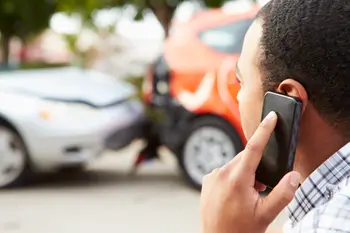
In the aftermath of a car accident, you may wonder if you have to call the police to file a report. Certain situations may require a police report; others may not. Regardless of the incident, having proper documentation is key to speeding up the process and supporting your claim. Below, we’ll discuss the importance of a police report, the scenarios that do and don’t require one, and what you should do following an accident.
Do You Need a Police Report to File an Insurance Claim?
“The short answer is it depends,” says Heather B Paull, Manager, Divisional Claims. “The requirement to file an accident depends on the jurisdiction and the accident’s severity.” You should report an accident for major crashes. You likely don’t need to file a police report for minor accidents, say if someone hit your parked car, and there were no injuries or major damages, and all parties involved have a valid license and auto insurance.
Additionally, in many jurisdictions, police won’t issue an accident report for an incident that occurs on private property — e.g., you run into your own garage door. Also, some locations, like a mall or grocery store parking lot, are considered private property, so police may not report to the scene if the accident is minor.
When a Police Report Is Required After a Car Accident
There are times when you do need a police report for a car accident:
Injuries or fatalities: If the accident involves any injuries or fatalities, law enforcement and relevant authorities must thoroughly investigate and document the incident.
Significant property damage: It may be necessary to file a report when the accident causes significant damage to property, such as vehicles or structures.
Hit and run: Not sure what to do in a hit and run? Calling the police is the first step, as they may be able to track down the vehicle that hit your car.
Involvement of public property: A report may be required if the accident occurs on public property or involves public infrastructure, such as traffic signs or signals.
Filing a Claim After a Minor Car Accident Without a Police Report
After the accident, report it to your insurance company as soon as possible to initiate the claims process. Provide a detailed account of the accident, including the description of the event, as well as the date, time, and location where it took place. This information assists your insurance company in assessing liability and processing your claim accurately. Additionally, submitting any collected information, witness statements, and photographs can further support your claim, offering tangible evidence to strengthen your case.
How long does an insurance claim take? The time frame can vary based on the complexity of the claim. A simple claim usually takes a few weeks for an insurer to complete. However, a complex claim with multiple parties, disputes, or extensive damages can take several months.
What Information You’ll Need to File a Claim Without a Police Report
After an accident that doesn’t require a police presence, it’s crucial to take these steps to ensure you get the information you need for filing a claim:
- Exchange information with the other party involved: This includes getting the contact and insurance details of the other driver and providing your own information in return.
- Gather witness information: Getting witness information is equally important in the absence of a police report. Identifying and collecting contact details from any witnesses can be invaluable, as witness statements help to establish the sequence of events.
- Take photos and videos: This helps document the accident scene, vehicle damage, and relevant road signs. Photos or videos serve as key evidence in a claim, offering a clear and objective representation of the circumstances surrounding the incident. If you have a dash cam, make sure you provide that footage as well.
How to Get a Police Report for a Car Accident
If law enforcement responded to the scene, you can usually request a copy of the report through the local police department, state highway patrol, or their online records portal. Be ready to provide details like the date, location, and names of those involved, and expect to pay a small fee. If officers didn’t come to the scene, you may need to file a report yourself at a station or through your state’s DMV or crash reporting system.
What Happens If You Don’t Report an Accident?
Failing to report an accident—especially one involving injuries, significant damage, or legal reporting requirements—can lead to fines, license suspension, or complications with your insurance claim. Even in minor cases, skipping a report can make it harder to prove what happened later, particularly if the other party disputes fault.
How Insurance Companies Evaluate Claims Without Police Reports
When there’s no official report, insurers rely more heavily on alternative evidence like photos, videos, witness statements, repair estimates, and recorded accounts from both drivers. They may also look at damage patterns and any available surveillance footage. Without a police report after an accident, the process can take longer and may hinge on conflicting versions of events.
Tips to Protect Yourself After an Accident
Taking a few proactive steps immediately after an accident can make all the difference when it comes to protecting yourself and your claim:
- Document the scene thoroughly, including photos and videos of vehicle damage, the surrounding area, license plates, and any visible injuries.
- Exchange contact and insurance information with all parties involved.
- Collect names and contact details of any witnesses.
- Seek medical attention promptly, even if injuries seem minor.
- Notify your insurance company as soon as possible.
- Keep all records, receipts, and correspondence organized for future reference.
While minor accidents usually don’t require a police report, you may want to call the police anyway to see if they’re available to investigate the scene. If not, gather as much information as possible to help initiate a smoother claims process. When you’re ready to file a claim, contact your local Mercury agent. They will guide you through the entire process from start to finish.
Contact us today for a fast, free auto insurance quote!
FAQs
Can you file a claim if the other driver leaves the scene?
Yes, you can still file a claim if the other driver leaves the scene, often under uninsured motorist or hit-and-run coverage. Providing evidence like photos, witness statements, or surveillance footage can help support your case.
Will not having a police report delay your insurance claim?
It can, since insurers may need more time to review alternative evidence and determine fault. Without an official report, the process often relies on documentation and statements from those involved.
Should you still report an accident to your insurer even if there’s no damage?
Yes, it’s always a good idea to report any accident, even if damage isn’t immediately visible. This creates a record in case issues or injuries surface later.